


The continued closure of the Rafah border crossing has severely exacerbated the humanitarian situation in Gaza, confining residents and denying them vital access to medical care, education, and essential supplies, according to Palestinians in the enclave and analysts.
For patients requiring urgent treatment abroad, the shutdown is life-threatening. "I was scheduled to travel more than a year ago for treatment, but the delay due to the closure endangers my health," said Ibrahim Al-Hams, 45, from Khan Younis.
"Medications are scarce and irregularly available in Gaza, and Rafah is my only access point," Al-Hams said.
According to Gaza-based health authorities, at least 1,200 patients require treatment outside Gaza monthly.
Students are also facing disrupted futures. "I completed all paperwork ... but I have not been able to travel. Two years of my academic life have been lost, solely because I am a resident of Gaza," said Lujain Shaqoura, 20, who was accepted into a medicine major in 2024 at Egypt's Zagazig University.
"Obtaining the scholarship required considerable effort. Travel restrictions now threaten my chance to pursue my education," said 20-year-old Asil Al-Sawafiri, who received a scholarship from Egypt's Al-Azhar University.
"The impact is not limited to students; Parents live in constant tension about their children's future," she added.
"The closure of Rafah reflects the ongoing siege of Gaza. Civilians continue to face anxiety and uncertainty, and their basic rights remain at risk," said Gaza City resident Abu Muhammad al-Sawi.
The Rafah crossing, a key passage between Egypt and Gaza, has been mostly closed since May 2024, when Israeli forces took control of the Palestinian side of the crossing. Before that, it was the main exit for Palestinians and a key entry point for humanitarian aid. Israel previously said it would open the crossing in both directions once Hamas returns all the captives.
In early December last year, Israel announced it would reopen the crossing in the coming days under the October ceasefire deal with Hamas, but said it would operate one way only, allowing Palestinians to leave Gaza but not return.
Days later, several Arab and Muslim countries issued a joint statement, opposing Israel's one-way reopening plan. Meanwhile, Hamas condemned Israel's continued closure of the crossing, adding that recovering a hostage's body faces logistical and operational hurdles, Xinhua reported.
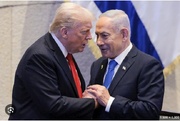
In early January, several Israeli media outlets reported that Israel is preparing to reopen the crossing in both directions in the coming days, as part of Israeli Prime Minister Benjamin Netanyahu's concessions made to Washington during his US visit. The reports have not been confirmed by Israeli authorities.
"The Israeli government is reluctant to advance the second phase of the agreement and is using the crossing's closure to pressure Palestinians by exploiting the population's humanitarian vulnerability," said Palestinian political analyst Ahed Ferwana.
Humanitarian organizations have been stressing Gaza's near-total reliance on crossings for essential goods.
"The Rafah crossing remains a critical point in Gaza's access to the outside world. Its continued closure underscores the persistent humanitarian and political challenges facing the civilian population," said Ramallah-based political analyst Esmat Mansour.
"Without a clear timeline for reopening, residents remain in a state of uncertainty, dependent on limited aid and local resources to meet essential needs," he said.
MNA








Your Comment